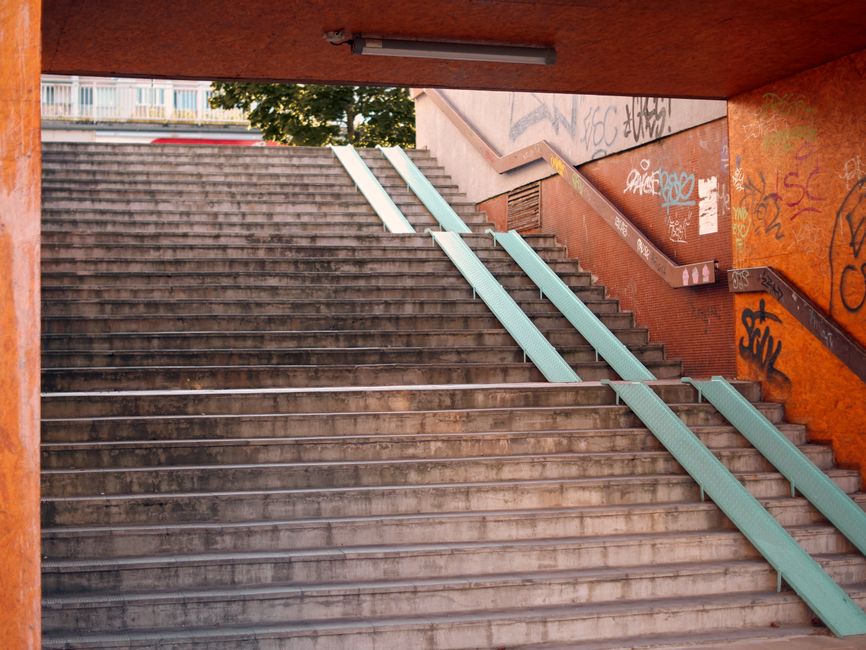
Staircase & Narrow-Access Moves around Cannon Hill
Posted on 18/06/2026
Staircase & Narrow-Access Moves around Cannon Hill: A Practical Guide for Safer, Smoother Removals
If you are trying to move a sofa up a tight staircase, carry a wardrobe through a narrow hallway, or negotiate a Cannon Hill flat with awkward landings, you already know the problem: the move is rarely about distance, it is about access. Staircase & Narrow-Access Moves around Cannon Hill call for careful planning, the right lifting method, and a calm head when the stairs get steep and the banister feels suspiciously close to your knuckles. Truth be told, that is where many removals become stressful. This guide breaks down how these moves work, what to expect, and how to avoid the kind of small mistake that turns into a big headache by 10 a.m.
Along the way, you will find practical steps, a checklist, a comparison table, and a few real-world pointers for Cannon Hill homes, flats, and shared buildings. If you are in the early planning stage, you may also find it useful to read about decluttering before moving day and packing in a way that actually makes lifting easier.
Why Staircase & Narrow-Access Moves around Cannon Hill Matters
Narrow access changes everything. A move that looks straightforward on paper can become complicated the moment a mattress meets a bend in the stairs, or a wardrobe catches on a newel post. In Cannon Hill, that matters because many homes and flats have features that create access pressure: tighter stairwells, small landings, older door frames, shared entrances, and parking that may add a few extra steps before the lifting even starts.
What makes this topic important is not just the physical challenge. It is the risk stack. You have the risk of damage to furniture, walls, flooring, bannisters, and glass. Then there is the risk to people. A heavy item on stairs is never something to improvise with. One slip, one poor grip, one rushed turn, and the whole day changes. Nobody wants that, especially when you have already labelled every box and survived the final kitchen drawer. Let's face it, moving is exhausting enough without adding avoidable drama.
There is also a time cost. Narrow-access moves usually take longer, because the route in and out has to be thought through. Teams may need to dismantle items, carry them in a different order, or park the vehicle farther away. A good moving plan accounts for all of that. A weak plan assumes the stairs will somehow sort themselves out. They won't.
How Staircase & Narrow-Access Moves around Cannon Hill Works
The process begins before anything is lifted. The best narrow-access moves are built on a simple idea: measure, assess, then move. First, the team looks at the item dimensions and the route through the property. That means measuring the height, width, and depth of large furniture, checking stair turns, ceiling heights, hallway pinch points, and doorway clearance. If the item will not travel upright, it may need to be turned, angled, wrapped, or partially dismantled.
In practical terms, this often involves a route assessment. A removal team will look for:
- tight stair bends and low ceilings
- narrow front doors or internal door frames
- awkward landings and half-landings
- sharp corners with limited swing space
- parking distance and carrying route from vehicle to property
Once the access route is understood, the move can be planned properly. That may include protective covers for floors and corners, moving straps for stability, furniture blankets, gloves with grip, trolley use where possible, and careful sequencing so the heaviest items go in the most sensible order. If lifting technique is a concern, it is worth understanding the basics of controlled movement and load handling, as explained in this guide to safer lifting flow.
Some items simply do not like stairs. Sofas with fixed arms, king-size beds, American-style fridge freezers, wardrobes with mirrored doors, and pianos can all become awkward quickly. In those cases, dismantling or temporary removal of doors, feet, or panels can save time and prevent damage. For larger furniture, it is often smarter to compare options in advance. You can also look at broader moving support on furniture removals support and the wider services overview if you are deciding what help you actually need.
Key Benefits and Practical Advantages
The biggest benefit of proper staircase and narrow-access planning is simple: fewer surprises. But there is a bit more to it than that.
- Less risk of damage: walls, bannisters, furniture edges, and flooring are protected when access is planned rather than guessed.
- Safer lifting: fewer rushed turns and fewer awkward carries mean less strain on backs, shoulders, and hands.
- Faster completion: oddly enough, taking time to plan often speeds things up because the team is not battling the route every five minutes.
- Better furniture survival: items are less likely to be scratched, split, or warped during the process.
- More accurate scheduling: when the access route is known, the move can be timed properly and the vehicle choice can be right-sized.
There is a quieter benefit too. Narrow-access moves feel calmer when everyone understands the plan. People stop hovering in the hallway asking, "Can it go round that corner?" every thirty seconds. That sounds small, but on moving day it makes a real difference.
If you are trying to cut down the volume of stuff before the move, decluttering ahead of time can remove several access headaches at once. Fewer items means fewer carries, fewer turns, and fewer chances for something to get stuck halfway up the stairs. Nice and simple.
Who This Is For and When It Makes Sense
Staircase & Narrow-Access Moves around Cannon Hill are relevant for anyone whose property layout creates a challenge bigger than the average carry. That includes people moving in or out of flats, maisonettes, converted houses, terraced homes, student lets, and upper-floor properties where access is tight from the front door to the room itself.
This also makes sense if you are moving any of the following:
- large sofas or corner units
- beds and mattresses, especially larger sizes
- wardrobes and chests of drawers
- pianos and other heavy instruments
- freezers, washing machines, and bulky appliances
- office desks, filing cabinets, and specialist equipment
In Cannon Hill, it is especially worth considering narrow-access support if the building has shared internal stairs, controlled entry, or limited parking near the door. Students and renters often run into this first because one person's "small flat" can still have a very awkward staircase. If that is you, you may want to look at student removals options or, for urgent deadlines, same-day removals support.
To be fair, some moves look manageable until the second-floor landing appears. That is usually the moment people realise the sofa may need a tactical rethink.
Step-by-Step Guidance
Here is a practical way to handle a narrow-access move without making it feel chaotic.
- Measure the property route. Check doors, stair width, ceiling height, hallway corners, and the space on the landing. Measure the item too, ideally from several angles.
- Identify obstacles early. Look for radiators, light fittings, doorknobs, bannisters, and anything that can catch or snag.
- Decide what needs dismantling. Remove legs, shelves, handles, doors, or other detachable pieces where sensible.
- Clear the route. Move rugs, shoes, plants, bins, and general clutter out of the way.
- Protect surfaces. Use covers, blankets, or corner guards where contact is likely.
- Plan the carry order. Heavy and awkward items should usually be moved with the clearest route and the freshest energy.
- Use controlled lifting. Keep communication simple: stop, lift, pivot, lower. No guessing. No sudden heroics.
- Check each turn before moving forward. A slow turn is better than a chipped wall.
- Reassemble only when the item is in place. Do not rush the final fit if the space is still tight.
And one thing that is often overlooked: think about the end room, not just the stairs. A large bed frame may clear the staircase but still be awkward in a narrow bedroom once it arrives. If you are moving a bed or mattress, there is useful practical advice in these bed and mattress moving tips.
If appliances are involved, especially when downtime matters, it may help to review how to handle a freezer when it is not in use. That saves a lot of fiddly confusion later.
Expert Tips for Better Results
Small details make the biggest difference on narrow-access jobs. Here are the tips that usually separate a smooth move from a frustrating one.
1. Photograph tricky access points before moving day
A quick phone video of the stairs, landing, and door frames can help identify issues before the crew arrives. It also helps the team think through the angle of entry. You may spot a low pendant light or a tight corner that did not seem important before. Suddenly it is very important.
2. Keep the heaviest items for the best team carry
Do not bury the awkward stuff behind a pile of light boxes. Put the difficult pieces on the plan early so the strongest, freshest part of the day is used well. That is just common sense, really.
3. Use proper wrapping and grip
Blankets, shrink wrap, and grip-friendly gloves help protect both the item and the handler. Smooth finishes and polished wood are especially vulnerable to knocks on stairs.
4. Avoid overpacking boxes
Overpacked boxes are not just hard to carry; they are harder to control on stairs. Keep box weight sensible. If in doubt, split books and heavy items into smaller containers. Your lower back will thank you later.
5. Leave breathing room in the schedule
Narrow-access work nearly always takes a little longer than an easy ground-floor move. Build in a buffer. Even fifteen or twenty minutes helps if a sofa leg needs removing or a wardrobe needs turning twice.
6. Think about storage if the route is not ready yet
Sometimes the move is delayed because the new place is not quite ready, or access in one property needs more work. In that case, temporary storage in Raynes Park can be a useful bridge. It takes pressure off the day.
A small aside: if a mover tells you a corner looks impossible, they are not trying to be dramatic. Usually they are trying to save your wall, your item, and frankly everybody's mood.

Common Mistakes to Avoid
Most narrow-access problems come from a handful of avoidable errors. If you can dodge these, you are already ahead.
- Not measuring properly: eyeballing a staircase is rarely enough.
- Ignoring ceiling height: many items fail at the turn, not at the door.
- Forcing oversized furniture: if an item is not fitting, forcing it usually makes things worse.
- Skipping dismantling: a few minutes with a screwdriver can save a lot of pain.
- Poor box planning: heavy boxes on stairs are a recipe for misery.
- No protection on tight corners: paintwork and bannisters can be damaged surprisingly quickly.
- Underestimating parking distance: even a short extra carry adds fatigue.
- Trying to do too much solo: heavy lifting alone is where simple jobs turn risky. If you are tempted, read the risks of solo heavy lifting first.
One more thing: do not assume a piano, a freezer, or a bulky sofa can be treated like a standard box. Those items have their own rules, and the stairs do not care how confident you feel at 8 a.m. The stairs will still be the stairs.
Tools, Resources and Recommendations
You do not need a van full of specialist kit for every move, but the right tools can make narrow-access work much safer and less stressful. Here are the most useful ones.
| Tool or Resource | Best Use | Why It Helps |
|---|---|---|
| Furniture blankets | Wrapping large items | Protects surfaces from scrapes and knocks |
| Grip gloves | Handling awkward loads | Improves control on stairs and landings |
| Moving straps | Shared lifting | Helps distribute weight more evenly |
| Corner protectors | Tight turns | Reduces impact on walls and woodwork |
| Measured floor plan | Planning the route | Makes access checks much more accurate |
| Professional packing materials | Protecting delicate items | Useful when items may wobble during the carry |
If you are preparing the rest of the move too, a practical guide like packing tips for homes on Grand Drive can be surprisingly useful beyond that one street. The principles are the same: sensible box sizes, clear labelling, and less clutter in the way.
For larger or mixed moves, it may also help to review man with a van services, man and van support, or broader removal services depending on the scale of the job. And if furniture is the main issue, house removals and flat removals can be the better fit.
Law, Compliance, Standards, or Best Practice
For most readers, the practical side matters more than the paperwork. Still, there are sensible UK standards and best practices worth respecting. Moving heavy items on stairs should always be approached with manual handling principles in mind: reduce strain, avoid twisting under load, and use team lifting where the item or route demands it. That is common-sense safety, but it is also part of responsible working practice.
If you live in a block with shared access, remember that hallways, stairwells, and fire exits must stay clear during the move. Keep communal areas tidy and avoid blocking routes longer than necessary. If the building has rules about access times, lift use, or floor protection, follow them. It saves arguments. And noise at the wrong hour? Nobody enjoys that.
Good movers also treat property care as standard practice. That means protecting bannisters, corners, and floors, using sensible loads, and refusing to push an item through a route that clearly will not take it. In a job like this, caution is not a slowdown. It is the job.
For peace of mind around professionalism and risk handling, you may want to read more about health and safety commitments and insurance and safety. If you are comparing operators, that sort of detail matters more than a flashy pitch.
Options, Methods, or Comparison Table
Not every narrow-access move needs the same approach. Here is a quick comparison to help you decide what makes sense.
| Method | Best For | Strengths | Limitations |
|---|---|---|---|
| DIY with friends | Light, simple items | Low upfront cost | Higher risk on stairs, less experience, slower with awkward furniture |
| Man and van | Smaller moves or single bulky items | Flexible, practical, often cost-efficient | May still need dismantling and careful planning for tight access |
| Full removals team | Flats, family homes, or heavier furniture | Better equipment, coordination, and route handling | Usually more involved to arrange |
| Storage-first approach | Moves with timing gaps or difficult access on one side | Buys time, reduces pressure on moving day | Extra step and possible added cost |
There is no perfect option for every situation. If the furniture is awkward, the staircase is tight, and the timings are unforgiving, a more supported move is often the better call. For price-sensitive decisions, it is smart to check pricing and quotes guidance and read about hidden fees in removal quotes so you know what can affect the total.
Case Study or Real-World Example
Here is a realistic example from the kind of move people often face around Cannon Hill.
A couple in a first-floor flat had a large sofa, a bed frame, and a heavy chest of drawers to move out on the same day. The staircase had one sharp turn near the top and a narrow landing with a low light fitting. At first glance, the sofa looked like the main problem. In the end, the bed frame turned out to be easier because it could be dismantled in advance, while the sofa needed a two-person carry and a small angle change on the landing.
The move worked because the team did the unglamorous stuff first: they measured the stair width, removed the lightbulb from the fitting, wrapped the corners, cleared the hallway, and agreed who would call the turns. Not fancy. Just disciplined. The result was a calmer move, no wall scuffs, and no last-minute panic on the stairs.
In another small but common scenario, a student move from an upper-floor room went smoothly only because the boxes were packed lightly and labelled clearly. The heaviest boxes were kept small, which is not exciting advice, I know, but it saves a lot of groaning halfway down the staircase.
If you are facing a similar setup, you might also benefit from this local SW20 moving guide and, if the timing is tight, same-day move options in SW20.
Practical Checklist
Use this before move day. It is simple, but it works.
- Measure all doors, stair widths, and tight corners
- Measure your largest items in more than one direction
- Decide what needs dismantling
- Protect floors, bannisters, and wall edges
- Clear hallways, landings, and entry points
- Pack heavy items into smaller boxes
- Set aside tools for quick dismantling and reassembly
- Confirm parking and access arrangements
- Keep keys, instructions, and contact details ready
- Plan for storage if delivery or access timing is uncertain
- Walk the route once before the loading starts
- Keep children and pets away from the access path
Expert summary: If your property has a narrow staircase or awkward access, the winning formula is almost always the same: measure properly, reduce load size, protect the route, and use a methodical carry plan. That sounds basic because it is basic. But basic done well is what stops damage, delays, and avoidable stress.
For wrapping, boxes, and the bits that keep a move sane, packing and boxes support can be a handy place to start. If bulky items are the main issue, this bulky waste guide can help you decide what should not be moved at all.
Conclusion
Staircase & Narrow-Access Moves around Cannon Hill are not about brute force. They are about planning, judgement, and a bit of patience in the moments where the staircase seems to be testing everyone involved. When the route is measured properly and the load is handled with care, the whole move feels lighter, even if the furniture is not. That is the real advantage: fewer mistakes, fewer scratches, and a move that does not spiral into chaos halfway through the front door.
If you are preparing for a narrow-access move, start with the route, not the van. Think through the turns, reduce what you need to carry, and be honest about the items that need extra care. It is a small shift in thinking, but it makes a huge difference on the day. And if the job still feels a bit much, that is completely normal. Some moves simply need more than enthusiasm and a spare pair of hands.
Get a free quote today and see how much you can save.