Packing Tips for Homes on Grand Drive, Raynes Park
Posted on 14/05/2026
Moving home in Grand Drive can feel straightforward on paper and surprisingly fiddly in real life. One moment you are taping up a few boxes, the next you are hunting for charger cables, wrapping glassware in yesterday's paper, and wondering why the kettle always disappears first. This guide to Packing Tips for Homes on Grand Drive, Raynes Park is designed to make the process calmer, quicker, and much less wasteful.
Whether you are leaving a flat near the station, a family house tucked off Grand Drive, or a smaller home with tight hallways and awkward corners, good packing changes everything. It protects your belongings, reduces stress, and makes unloading far easier at the other end. You will also find natural next-step links to helpful local services, so if you need extra support, you can quickly explore packing materials in Raynes Park, house removals support, or a straightforward man with a van in Raynes Park.
Truth be told, packing is rarely the glamorous part of moving. But it is the part that sets the tone for the whole day. Get it right, and the rest starts to feel doable.
Why Packing Tips for Homes on Grand Drive, Raynes Park Matters
Good packing matters for one very simple reason: moving is a chain reaction. If one box is weak, poorly labelled, or overloaded, it slows down everything else. In homes around Grand Drive, that can mean extra trips through narrow entrances, slower loading, and more time spent on the pavement than anyone wants on moving day.
It also matters because a lot of household damage happens before the van even arrives. Plates chip in overfilled boxes. Bottles leak into soft furnishings. Lamps get crushed under random odds and ends. A little planning prevents that, and it does not need to be complicated.
There is another local angle too. Many Raynes Park properties have a mix of layouts: compact flats, maisonettes, and larger family homes with loft storage, sheds, or conservatories. Those spaces create different packing jobs. A box strategy that works in one home can be clumsy in another. That is why a sensible packing plan beats a rushed one every time.
If you have already started decluttering, you may find this decluttering guide for your move useful. Packing gets a lot easier once you stop carrying things you no longer need.
How Packing Tips for Homes on Grand Drive, Raynes Park Works
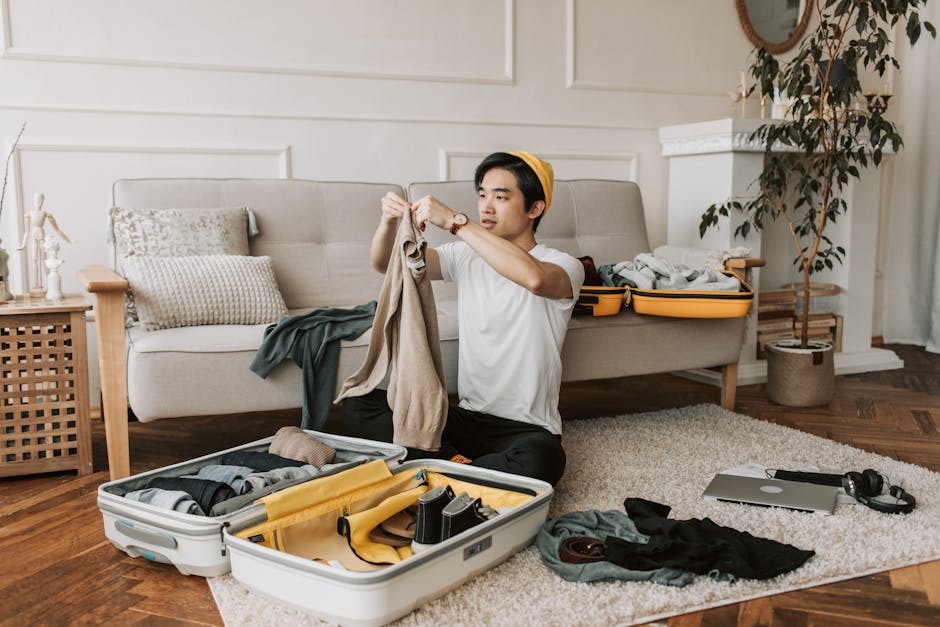
The packing process works best when you treat it as a sequence, not a single big job. Start with sorting. Then gather materials. Then pack room by room. Then label clearly. That sounds obvious, yes, but people skip steps all the time and pay for it later.
A well-packed home should do three things:
- protect belongings from shock, pressure, and moisture
- keep similar items together so unpacking is faster
- make handling easier for whoever is lifting, stacking, and transporting the boxes
Think of it like preparing a house for a short, bumpy journey across town. The van may be careful, but boxes still shift. Doors open. Lids bend. Friction happens. So the inside of each box should be filled in a way that prevents movement without overstuffing it.
In practical terms, the best packing setup usually means a few sizes of boxes, strong tape, paper or bubble wrap, markers, labels, and a small essentials bag for the first night. Simple. Not fancy.
For a broader moving overview, the article on making your house move easier from the start is a useful companion piece.
Key Benefits and Practical Advantages
Careful packing brings benefits that are easy to notice on moving day and even easier to appreciate afterwards.
- Less breakage: fragile items have proper cushioning and are less likely to arrive damaged.
- Faster loading: similar-sized, clearly labelled boxes stack neatly in a removal van.
- Lower stress: you are not opening random boxes looking for toiletries, phone chargers, or tea bags at 9pm.
- Better space use: the van and the new property are used more efficiently.
- Safer lifting: well-packed boxes are easier to carry than oddly balanced ones.
There is also a mental benefit. Once each room is boxed up properly, the home starts to feel less chaotic. You can actually see progress. That matters more than people admit.
And if you are considering help with larger items, it may be worth looking at furniture removals in Raynes Park alongside your packing plan, especially for bulky pieces that need a bit of care.
Who This Is For and When It Makes Sense
This advice is useful for almost anyone moving from Grand Drive, but it is especially relevant if you fall into one of these groups:
- people moving from a flat with limited storage and lots of small items
- families moving from a full house with mixed room contents
- students or young professionals with tight timelines and shared belongings
- homeowners who want to reduce the risk of damage to furniture and fragile items
- anyone using a removal van, man and van, or same-day service who needs efficient loading
It also makes sense if you are trying to keep the move affordable. Good packing cuts waste. Fewer broken items, fewer forgotten purchases, fewer last-minute replacement runs. Not glamorous, but useful.
If your move is time-sensitive, the page on same-day removals in Raynes Park may also help you plan around a compressed schedule.
Step-by-Step Guidance
1. Start with a room-by-room sort
Do not pack by moving around the house randomly. Choose one room, finish it, then move on. This keeps items together and prevents the dreaded mixed box of "bits and pieces" that turns into a mess later.
Ask three quick questions as you sort: do I keep it, donate it, or bin it? If an item has not been used in a year and is not seasonal or sentimental, it deserves a serious look. A little ruthless, maybe, but helpful.
2. Gather supplies before you begin
You will usually need small, medium, and large boxes, tape, tape gun if possible, packing paper, bubble wrap, labels, marker pens, scissors, and zip bags for screws and fixings. If you run out mid-pack, momentum disappears fast.
A practical tip: keep one box or tote aside for tools and flat-pack parts. It saves time later when you need to reassemble beds, shelves, or a desk.
3. Pack heavy items in small boxes
Books, vinyl, tins, and kitchen appliances can become surprisingly heavy. Small boxes are best here. If a box becomes awkward to lift with one hand, it is probably already too full. Be kind to your back. Seriously.
4. Wrap fragile items individually
Glasses, mugs, frames, and ornaments should not rattle around together. Wrap each item and use soft filling to stop movement. Plates work best stacked vertically with padding between them, rather than flat like a stack of dinner trays.
5. Use soft items as padding where sensible
Towels, jumpers, tea towels, and bedding can protect less delicate items. That said, do not rely entirely on soft items for breakables. Some structure is still needed. A linen pillowcase is not a miracle shield.
6. Label every box clearly
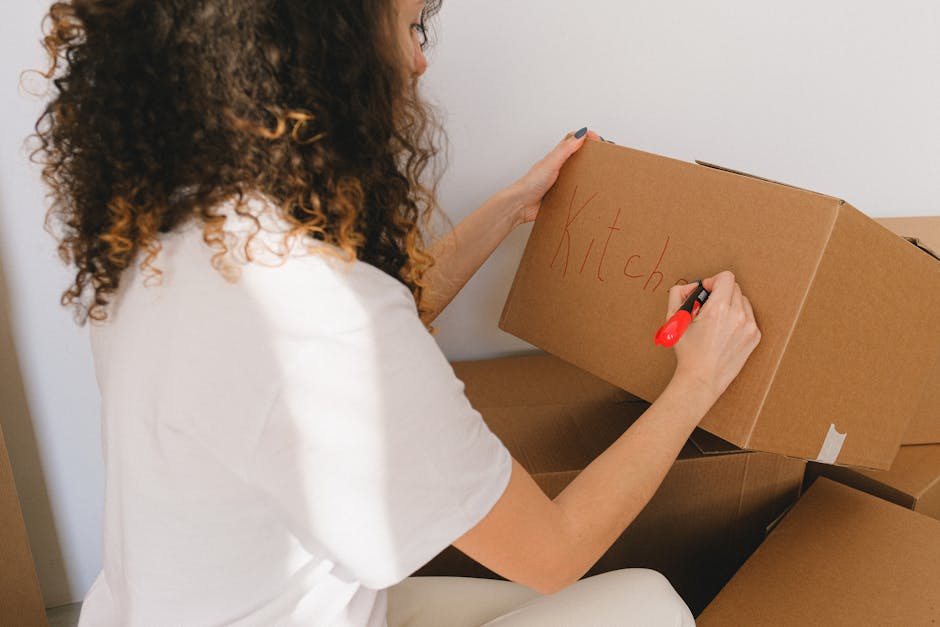
Write the room, the contents, and whether the box is fragile. If possible, add a number, like "Kitchen 4 of 8." This small habit makes unpacking much less random. It also helps movers place boxes in the right room faster.
7. Prepare an essentials box
Pack the first-night items separately: toiletries, phone chargers, medication, kettle, tea or coffee, a change of clothes, toilet roll, snacks, basic tools, and bed linen. Keep this box with you if you can. It is the difference between feeling settled and rummaging through ten boxes at bedtime.
8. Plan for awkward items separately
Bulky or unusual items deserve their own treatment. A freezer, piano, sofa, or mattress should not be treated like a box of books. For guidance on storing or preparing such items, see freezer care when it is not in active use, tips for moving beds and mattresses, and sofa storage advice.
Expert Tips for Better Results
Here is the part where small choices make a big difference.
Pack by priority, not by emotion
People often start with sentimental things because they are looking at them anyway. But if you pack your seasonal decorations first and leave everyday crockery to the end, you make your own life harder. Start with low-use rooms and finish with daily essentials.
Use a colour system if the move is larger
One colour per room can help if you have several people involved in loading and unpacking. It is especially helpful in busier homes where people are moving in and out, asking questions, and generally getting in each other's way. A tiny sticker system solves a lot.
Take photos before dismantling anything
Photo the back of the TV, the underside of furniture, and the cable setup behind desks. It sounds boring until you need to rebuild it at 8pm and realise every cable suddenly looks identical.
Keep hardware in sealed bags
Place screws, brackets, and small fittings into labelled zip bags and tape them to the furniture item or store them in one dedicated hardware box. If you leave them loose, they vanish. That is almost a law of nature.
Don't overload wardrobe boxes
Clothes are lighter than books, but hangers, shoes, and random stuff at the bottom can make a wardrobe box awkward. Keep them manageable. If a box creaks when lifted, stop and rethink it.
Use professional help for risky lifts
Heavy or awkward lifting is where packing and moving overlap. If you have items that need specialist handling, such as a piano or very large furniture, it is worth understanding the risks before trying to muscle through it. The articles on moving a piano yourself and solo heavy lifting explain why caution matters.
Consider pre-move cleaning before the final pack
Once surfaces are clear, it is the perfect time for a proper clean. That way, you are not moving dust and crumbs into the new property. For a simple approach, read the guide on pre-move house cleaning techniques.
Common Mistakes to Avoid
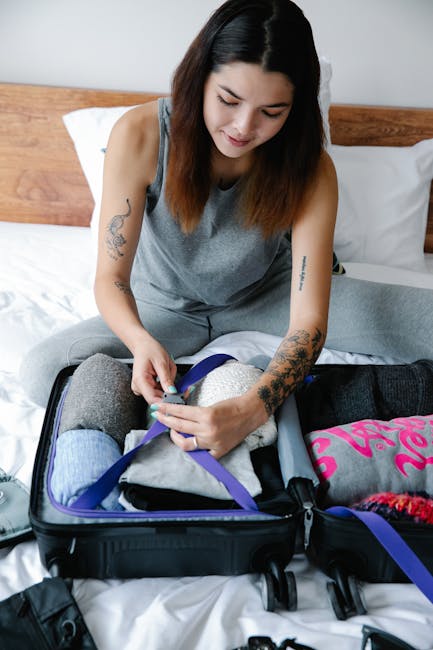
Most moving headaches come from a handful of very ordinary mistakes. Avoid these and you are already ahead.
- Using too-large boxes for heavy items: they become hard to lift and easier to split.
- Mixing rooms: it makes unpacking slower and more annoying than it needs to be.
- Leaving packing until the last evening: this usually ends in panic and a lot of tape.
- Under-labelling: "misc" is not a useful box label. Be specific.
- Poor cushioning for glass and ceramics: newspaper alone is often not enough for delicate items.
- Forgetting the essentials box: everyone regrets this one.
- Not checking access routes: tight stairs, parking issues, and awkward corners can all slow the move.
A little humour here, because it is true: the box marked "misc kitchen stuff" is almost always the one nobody wants to open. Avoid that fate.
Tools, Resources and Recommendations
If you want packing to feel more controlled, these are the most useful things to have on hand:
- double-walled boxes for heavier or more fragile loads
- packing paper for general wrapping and filling
- bubble wrap for fragile or oddly shaped items
- strong tape and a reliable tape gun
- permanent markers and room labels
- zip bags for fixings and small parts
- blankets or furniture covers for larger items
- stretch wrap for drawers, cables, and bundled items
If you are sourcing materials locally, the dedicated packing and boxes service in Raynes Park is a practical place to start. For general move planning, the services overview gives you a broader sense of available support.
If your move involves temporary overflow storage, you may also want to look at storage options in Raynes Park. That can be very helpful if completion dates shift or you need a little breathing room.
Law, Compliance, Standards, or Best Practice
Packing itself is not heavily regulated in the way some specialist trades are, but there are still sensible standards and best practices worth following. In the UK, the main thing is to pack safely, label clearly, and handle goods in a way that reduces risk to people and property.
If you are hiring removal help, it is sensible to ask about insurance and whether the team has appropriate safety procedures. You should also understand what is and is not covered before moving day. The details may vary, so it is always worth checking the provider's own information, including their insurance and safety guidance and health and safety policy.
Best practice usually includes:
- using suitable packaging for fragile and heavy items
- avoiding overfilled boxes that could split
- keeping walkways clear while packing and loading
- making sure lifts and manual handling are done carefully
- separating hazardous household items where required and following product instructions
If something feels uncertain, especially with lifting, storage, or access, stop and check. That is not over-cautious. It is common sense.
Options, Methods, or Comparison Table
There is more than one way to pack a home, and the right method depends on your time, budget, and how much you want to do yourself.
| Method | Best For | Pros | Watch Outs |
|---|---|---|---|
| DIY full packing | People with time and a smaller volume of belongings | Lower direct cost, full control | Takes longer, easy to underestimate materials |
| Partial packing with support | Busy households or mixed-size moves | Good balance of control and efficiency | Needs planning so everyone knows who packs what |
| Professional packing help | Large homes, fragile collections, tight deadlines | Fast, structured, less stress | Higher upfront cost |
| Hybrid approach | Most family moves | Flexible and practical | Requires clear labelling and coordination |
For many homes on Grand Drive, the hybrid option is the sweet spot. Pack everyday items yourself, let professionals help with bulky furniture or awkward rooms, and keep the whole thing manageable. There is no prize for doing everything the hard way.
If you are comparing moving support, you may also find the local pages for removals in Raynes Park and removal services useful when deciding how much help you want.
Case Study or Real-World Example
Imagine a typical home on Grand Drive: two bedrooms, a small loft area, a kitchen with lots of glassware, and a living room with a heavy sofa and bookshelves. Nothing dramatic, just the kind of move many households handle every year.
In a case like this, the most sensible packing plan would be:
- start with loft and seasonal items a week or two ahead
- pack books into several small boxes rather than a few heavy ones
- wrap glasses and mugs individually, using towels for extra protection
- leave everyday kitchen items, toiletries, and bedding to the final 24 hours
- dismantle furniture only after photographing fittings and cable routes
- label the sofa cushions, hardware bags, and mattress accessories separately
The result is not just fewer breakages. It is a move that feels orderly. Boxes go to the right rooms. Someone can make tea without opening five containers. You know where the kettle is. Small victory, but a real one.
For larger items in that kind of move, professional handling makes a noticeable difference. If you are moving furniture, the furniture removals page is worth a look, and if you need a vehicle-only option, the removal van service may suit a more self-managed approach.
Practical Checklist
Use this quick checklist before moving day. It keeps the last hour from becoming a scramble.
- Sort each room into keep, donate, recycle, and bin
- Buy enough boxes and tape before full packing begins
- Set aside fragile-item materials and label them clearly
- Pack heavy items into small boxes only
- Keep similar items together by room
- Label every box on at least two sides
- Create an essentials box for the first night
- Photograph furniture, cable setups, and disassembly points
- Bag and label screws, bolts, and fittings
- Leave large, awkward, or valuable items for careful handling
- Confirm parking and access arrangements if needed
- Keep documents, keys, and chargers with you, not in the van
Expert summary: The best packing is never just about putting things in boxes. It is about making the move easier to load, easier to carry, easier to unpack, and easier to live with on the first night. If it feels calm at the front end, the back end usually follows.
Conclusion
Packing well for a move from Grand Drive, Raynes Park is really about reducing friction. Less waste, less damage, less confusion, less last-minute panic. Good packing does not need to be complicated, but it does need to be deliberate. A room-by-room approach, sensible box sizes, careful labelling, and a proper essentials bag will take you a long way.
If your move includes bulky furniture, awkward access, or a tight timetable, it is perfectly sensible to get extra help rather than carrying everything yourself. That is not a shortcut; it is just smart planning. And to be fair, moving is hard enough without trying to prove a point.
Get a free quote today and see how much you can save.
When the boxes are taped, the labels are clear, and the kettle is safely packed for first-night use, the whole thing feels a lot less daunting. One step at a time. That is usually enough.