Rubbish Disposal Rules in Raynes Park: Legal Guide
Posted on 30/07/2026
Throwing rubbish away sounds simple until you're staring at a pile of boxes, broken furniture, old paint tins, and a fridge that definitely should not be left on the pavement. In Raynes Park, getting disposal wrong can mean fly-tipping complaints, missed collections, or a very awkward conversation with the council. This guide to Rubbish Disposal Rules in Raynes Park: Legal Guide explains what is usually expected, what to avoid, and how to handle household, bulky, and moving-day waste without making life harder than it needs to be.
Whether you are clearing a flat, moving out of SW20, or just trying to make sense of local waste responsibilities, the key is simple: separate what can be reused, recycled, or collected properly, and keep anything hazardous or bulky out of the wrong stream. Sounds obvious, but to be fair, rubbish rules get messy very quickly.
This article gives you the legal and practical essentials, plus local-facing advice that helps you stay on the right side of common rules while keeping the process calm and efficient.
Why Rubbish Disposal Rules in Raynes Park: Legal Guide Matters
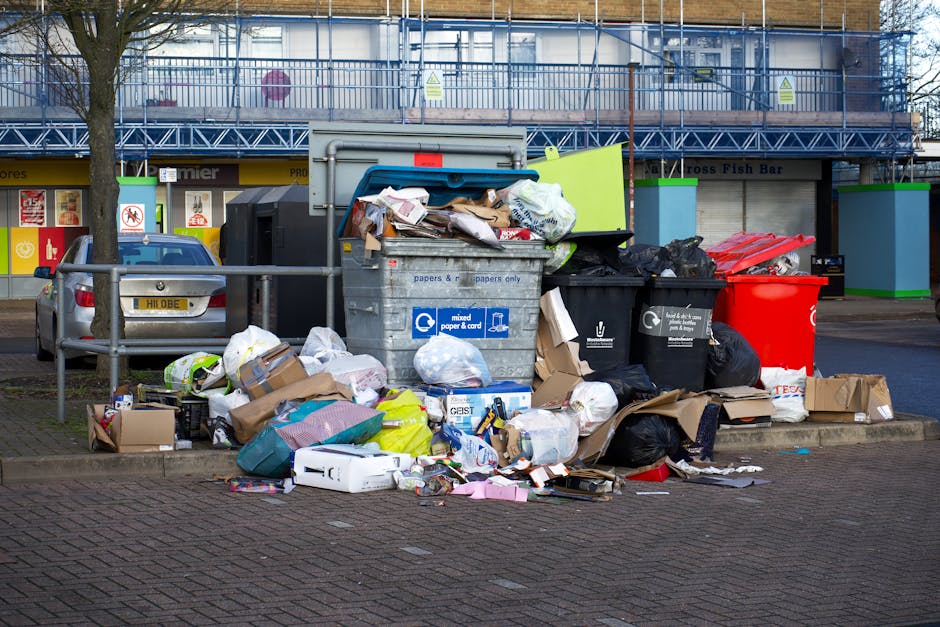
Waste rules are not just about keeping streets tidy. They protect public health, reduce pest problems, prevent blocked access routes, and stop people from dumping waste where it can injure others or damage the environment. In a place like Raynes Park, where homes, flats, shared driveways, and busy residential roads sit close together, bad disposal habits are noticed fast.
One of the biggest misunderstandings is that "getting rid of something" and "disposing of it legally" are the same thing. They are not. A sofa left beside a bin, a broken washing machine abandoned by a wall, or construction debris tipped into a street skip without permission can create liability for the person who produced the waste. That can be the occupier, the mover, the landlord, or the contractor, depending on the situation. It is worth slowing down for ten minutes now rather than dealing with a problem later.
There is also a trust factor. If you are moving out, renovating, or helping a relative clear a property, neighbours and landlords will judge the care you take. We have all seen the aftermath: bags torn open, cardboard soaked through in the rain, one stray mattress lying where it absolutely should not be. Not ideal.
For anyone arranging a move, the topic connects neatly with decluttering, packing, and transport planning. If you are already sorting rooms and deciding what stays or goes, it may help to read decluttering tips for a smoother move and simple steps to packing when moving your house, because waste control and packing discipline usually go hand in hand.
How Rubbish Disposal Rules in Raynes Park: Legal Guide Works
At a practical level, disposal usually depends on the type of waste, who generated it, and how much there is. Household rubbish, recyclable materials, bulky items, electricals, garden waste, and hazardous items are generally handled differently. The basic principle is that waste must go to the appropriate route rather than being dumped informally.
For ordinary household rubbish, residents typically need to use the correct household waste containers or authorised collection arrangements. Recyclables should be separated where local arrangements require it. Bulky waste, such as wardrobes, mattresses, or white goods, often needs a special collection or a licensed service. Hazardous items - think chemicals, paint, gas canisters, asbestos-containing material, or anything that could leak or ignite - need extra caution and should never be treated like general rubbish.
In moving situations, the process gets even more mixed. You may have old furniture, broken shelves, packaging, and some items that could be reused or stored. That is where planning helps. For example, if a sofa is still usable, it may be better to keep it in storage or arrange reuse rather than push it straight into the rubbish stream. If you want a better sense of storage decisions during a move, the guide on storing a sofa for the long haul can be a useful companion read.
There is also the transport side. If you are taking rubbish to a facility or arranging it to be removed, you need to think about loading safely, avoiding overfilled vehicles, and ensuring nothing falls out en route. That is where careful handling matters. The article on kinetic lifting techniques may sound a bit dramatic by title, but the practical idea is solid: move items in a controlled, efficient way rather than flinging everything into a van and hoping for the best.
And yes, if you are using a removals team, waste and unwanted items should be agreed in advance. Never assume a driver will "just take it" without checking what is allowed, how it will be handled, and whether it needs separate disposal. That tiny assumption is where a lot of confusion starts.
Key Benefits and Practical Advantages
Following the rules is not only about avoiding penalties. There are a few immediate, real-world benefits that people often overlook.
- Less risk of fines or enforcement action: Proper disposal reduces the chances of complaints, penalties, or being asked to clear waste urgently.
- Cleaner move-out or clear-out: You spend less time tripping over old items and more time finishing the job properly.
- Better recycling outcomes: Items sorted correctly are more likely to be reused or recycled rather than sent straight to disposal.
- Safer handling: Heavy, broken, or sharp waste is less likely to injure you or whoever is helping.
- Less stress on moving day: A tidy plan for rubbish makes the rest of the move feel far more manageable.
There is a quieter benefit too: reputation. If you live in a block of flats, a shared house, or a tightly packed residential street, people remember the household that leaves the pavement spotless. They also remember the one that leaves a mattress in the rain for two days. Human nature, really.
For anyone moving items in and out of a property, a little preparation also helps protect belongings. If you are moving bigger items around the home before disposal, you may find solo heavy lifting advice useful, though the honest answer is that some jobs are better left to a team.
Who This Is For and When It Makes Sense
This guide is for anyone in Raynes Park who needs to remove waste responsibly, especially if the waste is part of a move, a declutter, a house clearance, or a small renovation. It is especially useful for:
- homeowners preparing to sell
- tenants moving out of a flat or shared property
- landlords clearing a property between occupancies
- students leaving accommodation with leftover items
- families downsizing and reducing furniture volume
- office managers handling old office furniture or packaging
- anyone dealing with a bulky item that will not fit in normal bins
It also makes sense if you are working to a deadline. Maybe the keys go back on Friday. Maybe the skip is full. Maybe the hallway has already turned into a cardboard canyon. In those moments, legal disposal is not a theoretical issue; it is the difference between an orderly handover and a panic-clean with a lot of foot traffic.
If you are moving from a smaller property, a guide like flat removals in Raynes Park can help you think about the logistics of tight access, while moving out of SW20 is useful if you want a broader local perspective.
Step-by-Step Guidance
- Sort items by type. Separate general waste, recycling, reusable items, bulky goods, and anything hazardous. This one step prevents a lot of mistakes.
- Identify what can be reused. Books, clothes, kitchenware, and some furniture may still have value. Reuse is often the simplest legal route.
- Set aside bulky items. Large furniture, mattresses, fridges, and appliances usually need special handling.
- Check whether items need special treatment. Electricals, chemicals, and anything containing fluids should be treated carefully.
- Choose the correct disposal method. Use the right collection, service, or loading plan rather than improvising.
- Package items safely. Tape up boxes, empty liquids where allowed, and wrap sharp edges or broken parts.
- Move waste only when the route is clear. Shared entrances, narrow staircases, and parking pressure can turn a simple task into a bit of a faff.
- Keep proof of what happened. If a third party removes waste, record what was agreed and what was taken.
A practical example: a family clearing a spare room may find a broken desk, old bedding, an unwanted freezer, and several bags of mixed rubbish. The right approach is not to carry all of it downstairs in one sweep and dump it outside. Instead, separate the freezer for specialist removal, decide whether the desk can be dismantled for recycling, and bag the soft waste properly. That creates less risk, and it is simply cleaner.
If you are handling white goods or appliances that are not in active use, the advice in freezer care and storage can help you decide whether an appliance should be stored, removed, or prepared for disposal.
Expert Tips for Better Results
Here is where experience matters. The best rubbish jobs are usually the ones that were planned before anyone lifted anything.
- Start early. Do not leave bulky items until the last evening before departure. It nearly always becomes a rushed, messy job.
- Keep one "decision" area. Use a corner, room, or hallway spot for items that are definitely going, maybe going, or staying. It stops confusion.
- Break large items down where safe. Unscrew table legs, remove shelves, fold flat packaging. Smaller loads are easier to sort and move.
- Protect surfaces and walls. Old wardrobes and rough furniture can scratch stair rails and paintwork. Ask anyone who has done a narrow hallway move in winter and they will tell you the sound alone is enough.
- Watch the weather. Wet cardboard, soggy labels, and slippery plastic are common causes of spills and slips in London yards and driveways.
- Use the right moving method for each item. A mattress is not handled the same way as a piano, and a piano definitely is not handled the same way as a bag of clothes. Obvious, but it needs saying.
If you are moving furniture out as part of a clearance, the guide on furniture removals in Raynes Park may help you think through the safest way to move larger items before disposal. And for awkward spaces, narrow-access moving advice is useful reading because access issues often create waste-handling problems too.
A tiny but important tip: keep a roll of tape, marker pen, and a couple of strong sacks nearby. You will use them more than you expect. It is always the last bag that needs a label, isn't it?
Common Mistakes to Avoid
Most rubbish disposal problems come from a handful of repeat mistakes. The good news is that they are easy to avoid once you know what to look for.
- Leaving items on the street "temporarily": If it is not authorised, it can be treated as fly-tipping.
- Mixing hazardous items with general waste: Paint, chemicals, batteries, and similar materials need special handling.
- Overfilling bags or boxes: Heavy, unstable loads break open and create hazards for everyone nearby.
- Assuming someone else will deal with it: If you produced the waste, responsibility usually starts with you.
- Ignoring local access issues: A disposal plan that looks fine on paper may fail when a van cannot park nearby.
- Not checking what is actually recyclable: Clean cardboard and mixed, greasy, or contaminated cardboard are not always treated the same way.
Another common issue is poor timing. People often leave waste decisions until the final sweep of a property. That is when stress is highest, which is exactly when mistakes happen. Better to tackle the awkward pieces early, even if it means making three piles and changing your mind twice.
If you want a wider moving overview, house moving experience tips and pre-move house cleaning techniques can help you build a tidier sequence around disposal.
Tools, Resources and Recommendations
You do not need fancy equipment to dispose of rubbish properly, but a few practical tools make the job much smoother:
- Strong refuse sacks: Better than thin bags that split halfway down the stairs.
- Gloves: Especially useful for old furniture, broken glass, or dusty loft finds.
- Tape and labels: Great for identifying items that are for recycling, reuse, or disposal.
- Basic tools: Screwdrivers, a small wrench, and a utility knife help dismantle flat-pack furniture safely.
- Blankets or covers: Useful if waste has to pass through shared hallways or stairwells.
- Vehicle protection: If you are loading items yourself, a clean boot or van bed prevents mess spreading everywhere.
For people planning a broader move, packing and boxes in Raynes Park is helpful because good packing often reduces the amount of loose waste you create. Likewise, bulky waste removal in Raynes Park is worth reading if you are dealing with large items rather than general household rubbish.
One more recommendation: keep a separate bag for reusable hardware, cables, manuals, and fixings. You will be amazed how often a "throwaway" item still needs one tiny part. Losing the screws is a classic moving-day comedy, though it is less funny when you need them later.
Law, Compliance, Standards, or Best Practice
Without turning this into a legal textbook, the safest plain-English summary is this: waste should be stored, moved, and handed over in a way that avoids littering, nuisance, contamination, and unlawful dumping. If a third party removes waste, it is sensible to check that they are operating properly and that you understand what will happen to the material.
For households and businesses alike, the main best-practice points are:
- do not leave waste where it can be mistaken for abandoned rubbish
- do not mix hazardous and non-hazardous waste casually
- keep access routes clear so waste does not create a safety issue
- separate recyclable materials where practical
- make sure large or awkward items are moved by suitable means
- retain clear communication about what is being removed and when
If your rubbish forms part of a move, permits and parking restrictions can matter as much as the waste itself. A van that cannot stop legally, or a load that cannot be carried safely from the front door, can force poor decisions. If that sounds familiar, the local guide on Merton Council permits for removals and the note on parking suspensions and fines during SW20 moves may help you think ahead.
For some jobs, especially those involving bulky or mixed waste, best practice is to keep the waste stream simple. That means fewer vehicle trips, fewer chances to lose track of items, and a cleaner handover. It is boring advice, but boring often works.
Options, Methods, or Comparison Table
Different disposal routes suit different situations. Here is a practical comparison to help you decide what fits your job.
| Option | Best for | Pros | Limitations |
|---|---|---|---|
| Household collections | Routine everyday rubbish and recyclables | Simple, familiar, usually low effort | Not suitable for bulky items or special waste |
| Bulky waste route | Sofas, mattresses, cabinets, appliances | Handles large items more appropriately | May need booking, lifting help, or timing flexibility |
| Reuse or donation | Usable furniture, household goods, clothing | Reduces waste and often helps others | Items must be clean, safe, and genuinely reusable |
| Self-loading for transfer | Small-to-medium mixed loads | Flexible, useful when time is tight | Requires care, transport space, and correct sorting |
| Specialist handling | Hazardous items, electricals, complex waste | Safer and more compliant | Needs the right service and more planning |
In real life, many people use more than one option. A move-out might involve recycling cardboard, rehoming a table, and arranging separate removal for a fridge. That mix is normal. What matters is that each item goes the right way.
If you are comparing move-related services, services overview, removals in Raynes Park, and man and van support are useful starting points for understanding how disposal can sit alongside transport and lifting.
Case Study or Real-World Example
Here is a realistic example based on the kind of situation people often face in Raynes Park.
A couple preparing to leave a first-floor flat in SW20 had a stack of old cardboard, an unwanted bed frame, a broken chair, an old freezer, and two bags of mixed clutter from cupboards and the loft. At first, they planned to put everything out on the pavement and "sort it later." That would have been a mistake. Instead, they split the job into parts: cardboard for recycling, the bed frame dismantled into manageable pieces, the chair checked for reuse, and the freezer set aside for proper appliance handling. They also cleared the route down the stairs before moving day, which mattered because the stairwell was narrow and awkward.
The result? Less chaos, fewer damaged walls, and a much easier final handover. Nothing magical, just sensible sequencing.
What helped most was not strength. It was order. They had already packed their keep items, so waste did not get mixed back into the move. The cleaning went faster too, because every room had a clear final purpose. If you are near the same stage, the article on packing tips for homes on Grand Drive is a good reminder that sorting and packing are really two sides of the same job.
Practical Checklist
Use this checklist before you move, clear out, or dispose of rubbish in Raynes Park:
- Separate general waste, recycling, reusable items, bulky waste, and hazardous materials.
- Confirm whether any item needs specialist handling.
- Dismantle large furniture where safe and practical.
- Bag or box loose waste securely.
- Label items that are for disposal, reuse, or storage.
- Keep walkways and staircases clear.
- Protect floors, door frames, and walls during removal.
- Check whether parking or access arrangements affect collection or loading.
- Do not leave waste outside unless it is part of an agreed collection.
- Keep a note of what was removed, especially if a third party handled it.
If you are still deciding what to keep, store, or remove, storage in Raynes Park can be a sensible bridge option. It gives you breathing room when you are not quite ready to part with everything.
Practical summary: sort early, separate hazardous and bulky items, keep access safe, and never assume the pavement is a valid temporary storage space. It really does save a lot of grief.
Conclusion
Rubbish disposal in Raynes Park is easiest when you treat it as part of the wider move or clear-out, not as a last-minute side job. The legal side is mostly about common sense done properly: use the right route, keep waste separated, avoid unsafe dumping, and plan for bulky or awkward items before they become a problem.
If you are decluttering, moving home, or clearing a property for someone else, the safest approach is to keep decisions simple and act early. That leaves you with less stress, fewer surprises, and a cleaner finish. And, frankly, a cleaner finish feels good. You notice it in the quiet after the boxes are gone.
Get a free quote today and see how much you can save.