Avoid common removal mistakes in Raynes Park flats
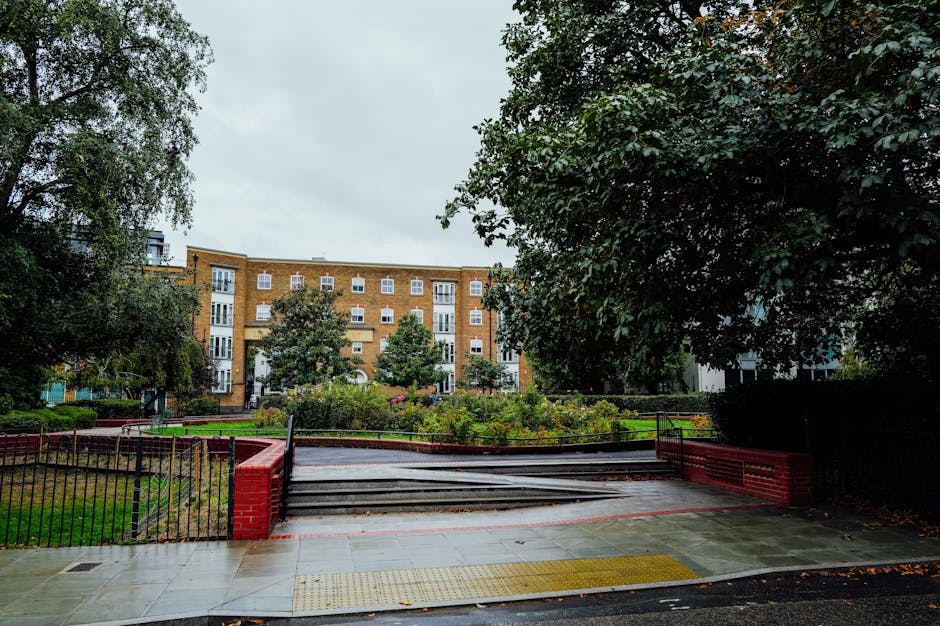
Moving out of a flat in Raynes Park can look simple on paper. A few boxes, a van, done by lunchtime, right? In reality, flat moves have a habit of throwing up small problems that become big ones fast: narrow stairwells, awkward parking, neighbours who are not thrilled by a 7am lift door slam, and that one sofa that suddenly seems built into the building.
If you want to avoid common removal mistakes in Raynes Park flats, the trick is not just moving faster. It is planning better, using the right support, and knowing where local moves tend to go sideways. This guide breaks down the practical bits that matter, from access and packing to permits, timing, and the sort of errors that can cost you time, money, and a fair bit of stress.
Truth be told, most removal problems are preventable. You just need to know what to look for before the boxes start piling up by the front door.
Why avoiding removal mistakes matters in Raynes Park flats
Flat moves are rarely just about lifting and driving. In Raynes Park, you are often dealing with shared entrances, limited parking, time windows, and buildings where one wrong turn with a wardrobe can scratch a wall or block a communal hallway. That is why planning matters more here than in a simple front-drive house move.
One small mistake can snowball. If the van cannot stop close enough, carrying becomes slower. If the boxes are not labelled clearly, unpacking takes longer. If the lift is too small for your biggest items, you are suddenly wrestling with a mattress on the stairs. And if you have not checked building rules, a polite neighbour can become a rather unhappy one. Not ideal.
There is also the money side. Missed parking arrangements, extra labour time, last-minute packing supplies, or a second trip because something large was forgotten all add cost. Even when the move goes well, the hidden stress is real. Anyone who has tried to find keys, a kettle, and their tenancy paperwork on moving day knows the feeling.
Local knowledge helps too. A removal company used to working around South West London flats will usually understand the rhythm of the area: busy roads, tight access, and the need to keep things moving without causing disruption. That local familiarity can make a very ordinary move feel a lot calmer.
Expert summary: In Raynes Park flats, the biggest wins come from early access checks, realistic packing, and knowing your building's rules before moving day arrives. That simple. Not easy, but simple.
How avoiding removal mistakes in Raynes Park flats works
At its core, a smooth flat move follows a simple pattern: assess the property, prepare the contents, organise logistics, and then move in the right order. The mistake many people make is treating each of those steps as an afterthought.
Here is what usually needs to happen in a well-run move:
- Check access from the flat to the van, including stairs, lift size, turns, and door widths.
- Confirm whether parking is available close enough for loading and unloading.
- Decide what needs packing, what needs dismantling, and what can stay assembled.
- Protect furniture, walls, and flooring so the move does not create avoidable damage.
- Keep essentials separate so you are not hunting for charger cables or toiletries at 10pm.
For Raynes Park flats, the move often depends on how the building behaves on the day. Is the lift working? Are there time restrictions? Can the front entrance be left open safely, or does it need supervised access? Those questions sound minor until you are standing there with a sofa and no clear route forward.
A good removals plan is not about being fancy. It is about reducing surprises. If you want less chaos, you need fewer assumptions. That is really the whole game.
Many people also underestimate how much packing order matters. A labelled box is not just a labelled box; it is a tiny time-saving device. A box marked "kitchen, mugs, kettle, tea, cutlery" can spare you twenty minutes of rummaging while you are tired and hungry. Small things, big relief.
Key benefits and practical advantages
A careful approach to flat removals brings more than convenience. It changes the whole experience of moving day.
1. Less damage to items and property
When furniture is wrapped properly and routes are checked in advance, there is less chance of chipped corners, scratched banisters, or crushed lamp shades. In shared flats, that matters because damage is often visible and hard to ignore.
2. Faster loading and unloading
Speed comes from organisation, not rushing. When boxes are sorted and access is clear, the van crew can work in a steady rhythm. That usually means fewer delays and less time spent standing around wondering where the next item should go.
3. Better control over costs
If the job runs long because of poor planning, the cost can rise. If you need extra packaging at short notice, same story. Avoiding the common mistakes tends to keep the move within the expected budget range, which is honestly a relief.
4. Less pressure on moving day
Moving can be emotionally tiring. You are closing one chapter, opening another, and trying to keep your keys, documents, and sanity all in one place. A clearer plan removes a surprising amount of pressure.
5. Better neighbour relations
This sounds small, but it matters. Quiet timing, tidy hallways, and quick loading can make the difference between a smooth exit and awkward glances in the communal corridor.
To be fair, a calm move also makes it easier to think. You make better choices when you are not firefighting every five minutes. That alone is worth a lot.
Who this is for and when it makes sense
This guide is for anyone moving out of, or into, a flat in Raynes Park and wanting fewer headaches on the day. It is especially useful if your home has stairs, a tight hallway, a small lift, shared parking, or building rules that need checking in advance.
You will benefit most if you are:
- a tenant preparing to hand back a flat at the end of a tenancy
- a homeowner moving to a larger or smaller place
- sharing a flat and dividing items between several destinations
- moving bulky furniture from an upper-floor property
- working to a deadline, such as keys, lease dates, or handover times
- trying to move with minimal disruption to neighbours or building management
It also makes sense if you are handling a partial move. Maybe you are keeping the sofa, but not the bed. Or perhaps the flat is being cleared before sale. These moves can be oddly tricky because there is less room for error and more to coordinate. One missing measurement can throw off the whole day.
If you already know your building has awkward access, the advice here becomes even more relevant. The tighter the property, the more planning pays off. That is the plain truth.
Step-by-step guidance
Step 1: Measure the route, not just the room
People often measure furniture and forget the corners, stairs, door frames, and communal spaces it has to pass through. Measure the widest items, yes, but also look at the turning points. A sofa that fits in the lounge may still refuse to leave the building gracefully.
Step 2: Confirm parking and access early
Do not leave parking until the morning of the move. In busy residential streets, even a short wait can create a chain reaction of delays. Check whether the van can park close by, whether any restrictions apply, and whether the building needs advance notice for removals.
Step 3: Sort what moves first
Bulky furniture, fragile items, essentials, and rubbish should each have a clear category. This is where a lot of people lose time. If everything is "just stuff", it becomes chaos at the door.
Step 4: Pack by room and priority
Pack one room at a time where possible. Keep essentials separate: medication, chargers, documents, toiletries, tea, one clean towel, and a change of clothes. The moving-day version of forgetting the kettle is real, and mildly annoying in a very British way.
Step 5: Protect high-risk items
Use proper wrapping for mirrors, glass, screens, and furniture edges. If you have large items like wardrobes or beds, consider dismantling them rather than forcing them through the flat whole. It is usually faster, safer, and easier on the walls.
Step 6: Label everything clearly
Use bold labels with room names and a short contents note. "Kitchen - pans and utensils" is much better than "misc". Misc means misery later. A little dramatic, perhaps, but not by much.
Step 7: Keep the hallway clear
Do not create a mountain of boxes by the front door unless you are absolutely sure there is room. Hallways in flats are shared spaces, and clutter can block access or create tension. Stack neatly, and only when needed.
Step 8: Do a final sweep before leaving
Check cupboards, behind doors, under sinks, and inside balcony storage if you have it. People forget chargers, tools, passports, and spare keys all the time. It is almost a rite of passage, really.
Expert tips for better results
Over the years, one lesson comes up again and again: the best flat moves are planned around the building, not just the belongings. That shift in thinking changes everything.
Use the quietest practical time window
If you can choose your slot, avoid the busiest parts of the day and think about neighbours too. Early starts can work well for access, but too early can create avoidable friction. A balanced schedule is usually safer than a heroic one.
Leave yourself one buffer room
Even when the move is organised, one room often becomes the catch-all while everything else is loaded. Make that room deliberate. It keeps the rest of the flat functioning and avoids boxes spreading like weeds across the floor.
Keep one toolkit handy
Basic items such as tape, a marker pen, scissors, bin bags, and a screwdriver can save time. If you need to dismantle a bed frame or tighten a loose handle, you will be glad they are within reach. No one enjoys hunting for a screwdriver under a pile of duvet covers.
Be honest about heavy items
If a wardrobe, sofa, piano, or American-style fridge is awkward, do not pretend it will be fine because it "looks manageable". Sometimes it is manageable. Sometimes it is absolutely not. Better to assess it properly than discover the hard way halfway down the stairwell.
Build in a cushion for delays
A lift may be occupied. A neighbour may need access. A van may need to reposition. These things happen. A move with breathing room feels less stressful than one with every minute accounted for.
Small note: if you are already feeling behind before the move starts, you probably are. That is not a failure; it is just information. Adjust the plan, not your mood.
Common mistakes to avoid
Here is where many flat moves in Raynes Park go off track. Some of these are simple oversights, but they cause real trouble.
1. Underestimating access issues
A flat on the second or third floor can become a very different job if the lift is tiny or unavailable. Do not assume the route is easy just because the flat itself is compact.
2. Leaving packing too late
Last-minute packing almost always leads to fragile items being thrown into random boxes. You then spend the first evening in the new place wondering where the cutlery is. Annoying, and avoidable.
3. Forgetting building rules
Some blocks have noise expectations, booking systems for lifts, or guidance on using communal areas. Skipping this step can create delays or complaints. Nobody wants that on move day.
4. Not checking parking near the property
If the van has to park too far away, the move takes longer and costs can creep up. A short walk with boxes may not sound dramatic, but repeated over dozens of trips, it becomes a problem.
5. Moving everything as one pile
Without room-by-room organisation, unpacking becomes slow and messy. You also increase the chance of losing important items among the chaos.
6. Ignoring fragile protection
Bubble wrap, blankets, and proper packing materials are not overkill. They are there to prevent damage that is often much more expensive than the materials themselves.
7. Forgetting to plan disposal
Old boxes, broken furniture, and unwanted items should be dealt with in advance. If you leave them until the end, they tend to pile up in the way. For guidance on waste handling and disposal planning, see this local rubbish disposal guide and bulky waste advice for Raynes Park.
8. Assuming one van size fits every move
A small flat does not always mean a small job. Sometimes access is awkward, furniture is bulky, or there are multiple destinations. The right vehicle choice matters more than people expect.
Tools, resources and recommendations
You do not need a van full of specialist kit to make a flat move work well, but the right basics make a big difference.
| Tool or resource | Why it helps | Practical note |
|---|---|---|
| Strong boxes | Protects belongings and keeps loads stackable | Use similar box sizes where possible for easier lifting |
| Packing tape and marker pens | Makes labelling clear and reduces confusion | Write room name and contents on at least two sides |
| Furniture blankets or covers | Helps prevent scratches and scuffs | Especially useful for tight stairwells and shared corridors |
| Trolley or sack truck | Reduces strain when moving heavier items | Particularly helpful if the route includes long corridors or steps |
| Screwdriver set | Needed for bed frames, shelves, and simple disassembly | Keep it in a bag you can reach quickly |
| Cleaning supplies | Helps with handover or final tidy-up | Useful for kitchens, bathrooms, and quick dust removal |
It can also help to read a little around planning and packing before the move gets close. If you want a broader overview of move preparation, the guides on packing for a house move and decluttering before moving are useful starting points.
And if your move involves a more time-sensitive collection or a smaller load, you may also find same-day man and van support in Raynes Park relevant. Not every move needs that, of course, but it is good to know the option exists.
Law, compliance, standards, and best practice
Flat removals are not usually complicated from a legal point of view, but there are still important rules and expectations to respect. This includes parking restrictions, access arrangements, building management rules, waste disposal responsibilities, and general health and safety practice.
If you are using a removals service, it is sensible to ask about insurance, vehicle suitability, and how items are handled. That does not mean you need to become a compliance expert overnight. It just means asking the right questions before lifting day, not after something has gone wrong.
In practical terms, best practice usually includes:
- checking whether parking suspensions or permits are needed
- confirming building access times and lift use rules
- making sure walkways remain as clear as possible
- disposing of unwanted items through lawful, responsible channels
- handling fragile and heavy items safely
- confirming what is included in the quoted service
If you are unsure about how a move will affect parking or access in SW20, it is sensible to plan early. A little admin now can save a lot of standing around later. For related local reading, parking suspensions and fines during SW20 moves and Merton Council permits for removals may help you think through the process in a practical way.
Health and safety should also be part of the conversation, especially with heavy or awkward loads. A reputable provider should be able to explain how they reduce risk and protect items in transit. If you want to understand that side better, there is a straightforward overview on insurance and safety and a wider health and safety policy page available on the site.
Options, methods, and comparison
Different flat moves call for different approaches. There is no one-size-fits-all answer, and that is where people sometimes get caught out. The best option depends on access, volume, urgency, and how much help you actually need.
| Approach | Best for | Pros | Trade-offs |
|---|---|---|---|
| DIY move with friends | Small loads and flexible timing | Can be lower cost if everything goes smoothly | More physical effort, higher risk of delays or damage |
| Man and van service | Flat moves with moderate loads and awkward access | Flexible, practical, usually a good fit for local flats | May require careful planning for parking and timings |
| Full removals service | Larger moves, fragile items, and time pressure | More support, less stress, often better for complex jobs | Usually higher cost than a small-scale option |
For many Raynes Park flats, a focused man-and-van style move is often the sweet spot. It gives enough support for stairs, furniture, and loading without the overhead of a large-scale operation. If your move is business-related, office removals or commercial moves may be more suitable, but that is a different challenge altogether.
When comparing options, ask yourself three honest questions: How much lifting can I realistically do? How tight is the access? And how bad would it be if the move took longer than planned? Those answers usually point you in the right direction.
Case study or real-world example
A common local scenario goes like this. Someone is moving out of a top-floor flat near a busy Raynes Park road. The flat itself is not huge, so they assume the move will be straightforward. A few days before moving day, they start packing and realise the wardrobe is too wide for the stairwell unless it is dismantled. The lift is small, parking outside is limited, and the landlord wants clear access through the corridor by midday.
Without a plan, that move could become a scramble. Boxes in the hallway, somebody hunting for tape, and a sofa wedged awkwardly at the door. The whole thing starts to feel bigger than the flat itself.
Instead, a better approach would be to measure the wardrobe early, dismantle what needs dismantling, label boxes by room, reserve the loading route, and keep essentials separate. Add a realistic arrival window for the van and a small buffer for delays. Suddenly the move becomes manageable. Not effortless, but manageable. And that is usually enough.
Another example: a tenant moving from a flat close to Raynes Park Station with only a few larger items, but lots of smaller bags and boxes. They skip the plan and end up making several trips, dragging everything through the stairwell in a rush. Compare that with staging the items by priority, using proper packing materials, and loading in the right order. The second version is calmer and usually cheaper in the long run because time is not being wasted on avoidable back-and-forth.
These are the sorts of details that rarely look dramatic in a quote, but they shape the day more than anything else.
Practical checklist
Use this simple checklist before moving day.
- Measure doorways, stairs, and any lift access
- Check parking restrictions and loading space
- Confirm building rules, move times, and access arrangements
- Pack room by room where possible
- Label every box clearly
- Separate essentials for the first night
- Wrap fragile items properly
- Dismantle large furniture if needed
- Set aside tools, keys, documents, and chargers
- Plan waste disposal for items you are not taking
- Keep hallways and exits as clear as possible
- Do a final sweep of cupboards, shelves, and storage areas
Quick takeaway: If you check access, park sensibly, pack with purpose, and keep the building rules in mind, you will avoid most of the painful mistakes that turn a flat move into a long day.
Conclusion
A flat move in Raynes Park does not need to be stressful, but it does need to be thought through. The biggest problems usually come from the same places: access not checked, parking not planned, packing left too late, and furniture not measured properly. Fix those, and a lot of the pressure disappears.
Good removals work is rarely about one clever trick. It is about a dozen small sensible choices made early enough to matter. That is what keeps walls unscuffed, boxes organised, and your moving day from turning into a long, noisy scramble down a stairwell.
If you are comparing services, ask clear questions, look for local experience, and choose the option that fits your building, your timeline, and your belongings. A bit of care now can save a lot of stress later, and honestly, that is worth it.
Get a free quote today and see how much you can save.
And when the last box is in and the kettle is on, you will be glad you handled the move with a bit of patience and a proper plan. That part feels good. Really good.
Frequently Asked Questions
What are the most common removal mistakes in Raynes Park flats?
The most common mistakes are poor access planning, leaving packing too late, not checking parking, and failing to measure large furniture against stairways or lifts. These are all avoidable with a little preparation.
Do I need to check parking before moving out of a flat?
Yes. In Raynes Park, parking can be tight and restrictions may affect how close a van can get to the property. The closer the vehicle can park, the easier and quicker the move usually is.
How early should I start packing for a flat move?
As early as you can comfortably manage. Even a modest flat can take longer than expected if you are sorting, decluttering, and packing fragile items carefully. Starting early gives you time to avoid rushed mistakes.
What should I do if my sofa will not fit through the stairwell?
Check whether it can be dismantled, rotated safely, or moved via an alternative route if the building allows it. If none of that works, you may need help from a removals team experienced with awkward access.
Are man and van services suitable for flat moves?
Often yes. For many Raynes Park flats, a man and van service is a practical option because it offers flexibility and local support without the scale of a large removal operation.
How can I protect shared hallways during a move?
Use blankets or covers for furniture, keep boxes tidy, avoid blocking exits, and move items in an organised order. It is also sensible to keep conversations and noise to a reasonable level, especially in the early morning.
What should I keep with me on moving day?
Keep your keys, phone charger, important documents, medication, wallet, and a small essentials bag with you. It saves a lot of stress if you do not have to search through boxes for the basics.
How do I know whether I need a full removals service or just transport?
Think about volume, access, time pressure, and how much lifting you want to do yourself. If the move involves stairs, heavy furniture, or a tight schedule, extra support is usually worth considering.
What are the best ways to avoid damage to furniture?
Wrap edges, protect glass and mirrors carefully, dismantle bulky items where needed, and use proper lifting techniques. Damage often happens when people try to rush through tight spaces without enough protection.
Can I leave unwanted items in the communal bins?
Not if they are bulky or not accepted through normal household waste collection. It is better to plan disposal properly in advance, especially for large furniture or mixed rubbish.
How do I make moving day less stressful in a Raynes Park flat?
Prepare the route, label boxes clearly, separate essentials, and keep a realistic timetable. A move feels much less stressful when you are not making decisions under pressure every few minutes.
Is it worth getting a local removals company for a flat move?
Usually, yes, especially if your building has awkward access or local parking challenges. A team familiar with the area often understands the small details that make the biggest difference on the day.